






The Psychology of Color: Choosing Sofa Cover Colors to Transform Your Mood and Space
Introduction
Color is more than just a visual experience; it's a psychological one that profoundly influences our emotions, behaviors, and even physical well-being. When it comes to your sofa—typically the largest piece of furniture in your living room—the color you choose for its cover can set the entire tone for your space. Understanding color psychology can help you create an environment that not only looks beautiful but also feels exactly how you want it to feel.
This comprehensive guide will take you through the emotional impact of different colors, helping you make an informed decision about your next sofa cover. Whether you're looking to create a calming retreat, an energizing social space, or a sophisticated entertaining area, the right color choice can make all the difference.
The Science Behind Color Psychology
Color psychology isn't just speculation; it's backed by scientific research:
-
Biological Responses: Certain colors can actually cause physiological reactions. Red can increase heart rate and blood pressure, while blue has been shown to have calming effects.
-
Cultural Conditioning: Our responses to colors are shaped by cultural associations and personal experiences.
-
Environmental Impact: Colors affect our perception of space—light colors make rooms feel larger, while dark colors create intimacy.
The Color Spectrum: Emotional Impacts and Room Applications
Calming Colors for Relaxation Spaces:
Blue Family:
-
Navy Blue: Represents stability, professionalism, and depth. Perfect for creating a sophisticated, grounded space.
-
Sky Blue: Evokes feelings of peace, serenity, and openness. Ideal for creating a calm, airy atmosphere.
-
Teal: Combines blue's calm with green's renewal. Excellent for spaces where you want both relaxation and rejuvenation.
Green Family:
-
Sage Green: Nature's neutral—promotes balance, harmony, and restoration. Works well in almost any space.
-
Emerald Green: Represents luxury, abundance, and renewal. Creates a dramatic, sophisticated statement.
-
Olive Green: Earthy and calming, connecting your space to the natural world.
Energizing Colors for Social Spaces:
Warm Tones:
-
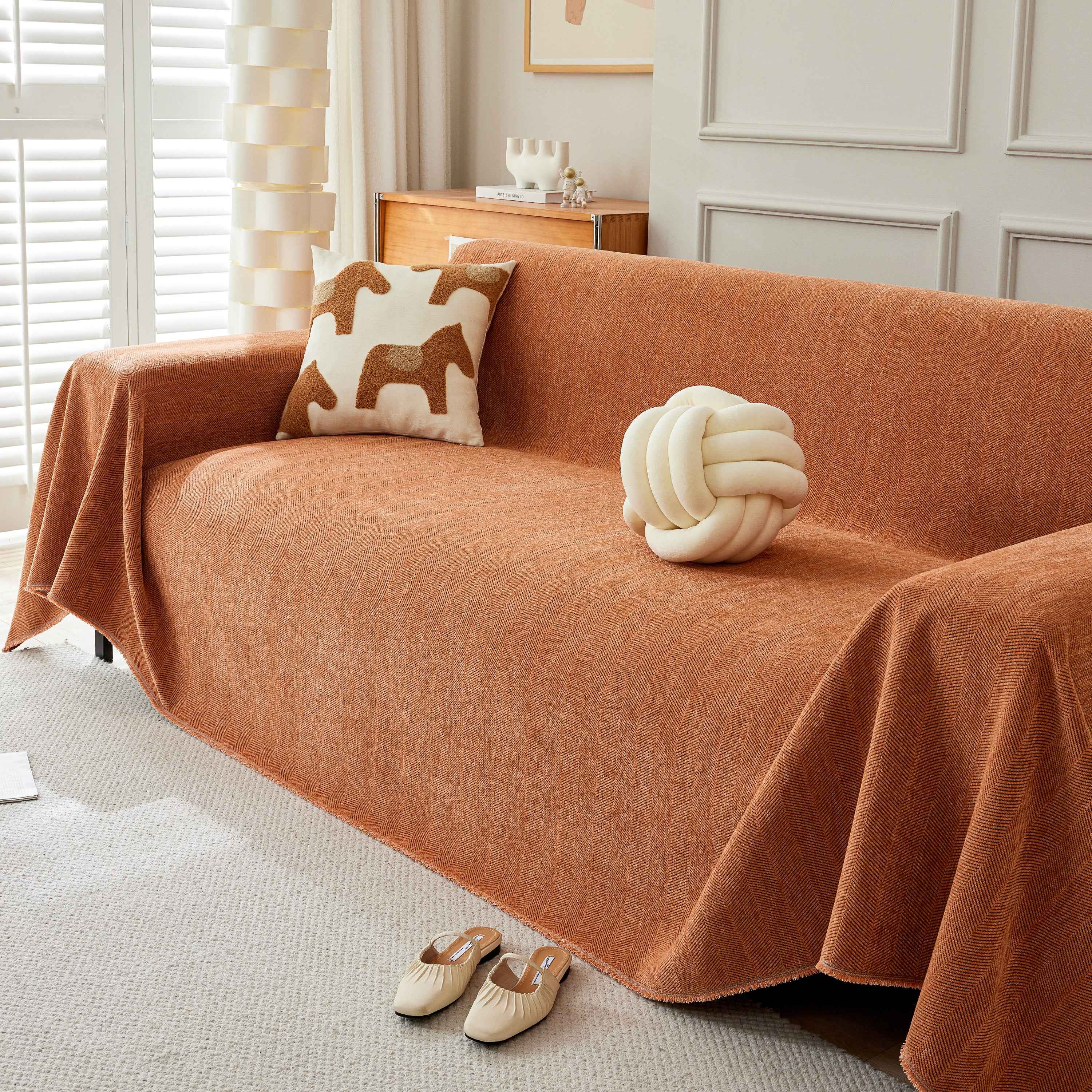
Terracotta: Earthy and inviting, promotes warmth and comfort. Perfect for creating a cozy, welcoming atmosphere.
-
Mustard Yellow: Intellectual and creative, stimulates conversation and mental activity. Use as an accent color.
-
Coral: Social and friendly, combines the energy of orange with the warmth of pink. Great for entertaining spaces.
Neutral Foundations for Versatility:
Earth Neutrals:
-
Warm Grey: Sophisticated and versatile, provides a perfect backdrop for any style.
-
Beige/Cream: Comforting and flexible, creates a warm, inviting base.
-
Taupe: Complex and sophisticated, works well in both warm and cool color schemes.
Considering Your Space's Light and Size
The same color can look dramatically different depending on your room's conditions:
North-Facing Rooms:
-
Challenge: Limited natural light, cooler light quality
-
Solution: Choose warm colors like cream, warm grey, or soft terracotta to add warmth
South-Facing Rooms:
-
Advantage: Abundant warm light throughout the day
-
Opportunity: Can handle both warm and cool colors effectively
Small Spaces:
-
Strategy: Light colors to create airiness and spaciousness
-
Alternative: Deep colors can create cozy intimacy if that's the desired effect
Large Spaces:
-
Opportunity: Can handle bold, dark colors without feeling overwhelming
-
Strategy: Use color to define zones and create intimacy
Color Combinations and Harmonies
Creating sophisticated color schemes:
Monochromatic Scheme:
-
Use different shades and tints of the same color
-
Creates a harmonious, sophisticated look
-
Example: Navy sofa with sky blue cushions and royal blue throw
Analogous Scheme:
-
Colors next to each other on the color wheel
-
Creates serene, comfortable designs
-
Example: Sage green sofa with teal and soft yellow accents
Complementary Scheme:
-
Colors opposite each other on the color wheel
-
Creates dynamic, high-contrast looks
-
Example: Navy sofa with terracotta accent cushions
Personalizing Your Color Choice
While color psychology provides general guidelines, personal connection matters most:
-
Consider your personal associations with colors
-
Think about the activities that primarily happen in the space
-
Take into account the preferences of everyone who uses the room regularly
-
Remember that you can always change your sofa cover if your needs evolve
Implementing Your Color Strategy
Practical steps for success:
-
Start with Swatches: Always test colors in your actual space with different lighting conditions
-
Consider the Whole Room: Think about how your sofa color will work with existing elements
-
Build Gradually: Start with your sofa as the foundation and build your color scheme around it
-
Leave Room for Evolution: Your color preferences may change over time—that's the beauty of sofa covers
Color as a Tool for Well-being
Choosing a sofa cover color is an opportunity to intentionally shape your living environment to support your desired lifestyle and emotional well-being. By understanding the psychological impact of different colors, you can transform your living room from merely a physical space into an environment that actively contributes to your quality of life.
Remember that the most successful color choices are those that resonate with you personally while creating the atmosphere you want to cultivate in your home. Your sofa cover is more than just protection for your furniture—it's a powerful tool for self-expression and environmental design.
The TaroTextile Journal: Tips & Stories

Refresh Your Home This Spring: The Best Sofa Covers for a Seasonal Makeover


Refresh Your Home This Spring: The Best Sofa Covers for a Seasonal Makeover
How to Make Your Sofa Last Longer with the Right Cover


How to Make Your Sofa Last Longer with the Right Cover
Budget-Friendly Sofa Covers That Don’t Sacrifice Style in 2026


Budget-Friendly Sofa Covers That Don’t Sacrifice Style in 2026
The Ultimate Guide to Choosing Sofa Covers for Small Apartments in 2026


The Ultimate Guide to Choosing Sofa Covers for Small Apartments in 2026
How to Maintain Your Sofa Covers: Cleaning Tips for Long-Lasting Comfort


How to Maintain Your Sofa Covers: Cleaning Tips for Long-Lasting Comfort
Sofa Covers for Renters: The Best Solution to Protect Your Furniture


Sofa Covers for Renters: The Best Solution to Protect Your Furniture
Transform Your Space with These 10 Sofa Cover Styles for 2026


Transform Your Space with These 10 Sofa Cover Styles for 2026
How to Choose the Perfect Sofa Cover for Pet Owners in 2026


How to Choose the Perfect Sofa Cover for Pet Owners in 2026
2026 Trends in Sofa Covers: What's Hot for Your Living Room?


2026 Trends in Sofa Covers: What's Hot for Your Living Room?
The Rental Revolution: Transforming Temporary Spaces with Removable Sofa Covers


The Rental Revolution: Transforming Temporary Spaces with Removable Sofa Covers
Pet-Friendly Sophistication: Protecting Your Furniture Without Sacrificing Style


Pet-Friendly Sophistication: Protecting Your Furniture Without Sacrificing Style
Sofa Throws Blankets


- Choosing a selection results in a full page refresh.
