


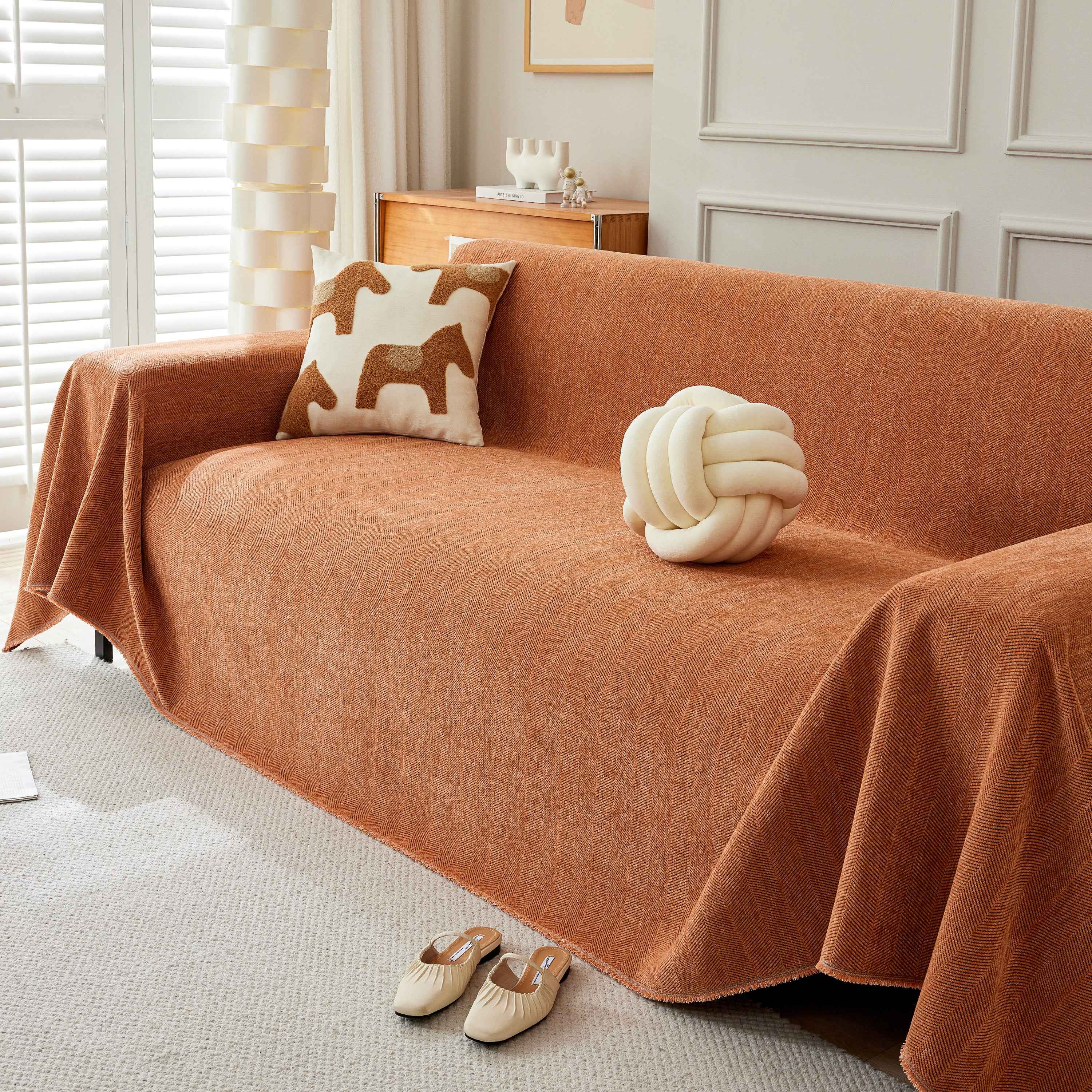




Creative Ways to Style Your Sofa with Throws and Cushions
Introduction
Your sofa is the canvas, but throws and cushions are the paintbrushes that bring it to life. Many people own these decorative elements, but few know how to use them to create a truly polished, professional-looking result. The secret isn't about buying more items—it's about styling with intention.
A well-styled sofa can become the stunning focal point of your living room, creating an atmosphere that is both inviting and reflective of your personal taste. Whether you prefer minimalist elegance or bohemian richness, these five creative techniques will help you master the art of accessorizing your sofa like an interior designer.
The Foundation: Choosing Your Color Story
Before you begin styling, establish your color palette.
-
Monochromatic: Use varying shades of one color (e.g., light grey, charcoal, and silver) for a sophisticated, calm look.
-
Analogous: Choose colors next to each other on the color wheel (e.g., blue, blue-green, and green) for a harmonious scheme.
-
Complementary: Pair colors opposite each other on the color wheel (e.g., blue and orange, or purple and yellow) for dynamic contrast.
-
Neutral Base with Pops of Color: Start with neutral cushions and add one or two brightly colored or patterned pieces for visual interest.
The Five Styling Techniques
Technique 1: The Layered Texture Look
This approach focuses on creating visual interest through different materials rather than bold patterns.
-
How to achieve it:
-
Start with a base of two neutral-colored cushion covers in different textures—for example, a linen cover and a velvet cover in similar beige tones.
-
Add a third cushion with subtle texture, like a chunky knit or faux fur.
-
Drape a textural throw blanket—such as a cable-knit, waffle weave, or chenille—over one arm.
-
-
Best for: Scandinavian, modern farmhouse, and minimalist interiors.
Technique 2: The Pattern Mixing Method
Don't be afraid to mix patterns! The key is to vary the scale and maintain a cohesive color palette.
-
How to achieve it:
-
Choose one large-scale pattern (e.g., a big floral or geometric).
-
Add one medium-scale pattern (e.g., a stripe).
-
Include one small-scale pattern (e.g., a subtle dot or mini-check).
-
Tie them together with at least one solid color that appears in all patterns.
-
Add a throw in one of your solid accent colors.
-
-
Best for: Maximalist, bohemian, and traditional decor styles.
Technique 3: The Symmetrical Balance
This classic approach creates a sense of order and calm that is always pleasing to the eye.
-
How to achieve it:
-
Start with two identical cushions at each far end of the sofa.
-
Add two more identical (but different from the first pair) cushions inside the first set.
-
Place one statement cushion (such as a lumbar pillow) in the center.
-
Neatly fold a throw blanket and place it centered over the sofa back or on one arm with perfect symmetry.
-
-
Best for: Traditional, formal living spaces and those who appreciate a clean, organized look.
Technique 4: The Casual Asymmetry
This creates a relaxed, "effortlessly thrown together" vibe that feels warm and inviting.
-
How to achieve it:
-
Cluster an odd number of cushions (3 or 5) toward one end of the sofa.
-
Vary the sizes and shapes—mix standard squares with a lumbar pillow and a round bolster.
-
Drape a throw blanket casually over the opposite arm or corner, letting it puddle slightly on the seat or floor.
-
-
Best for: Coastal, bohemian, and casual family living rooms.
Technique 5: The Seasonal Switch-Up
Refresh your sofa's look with each season without buying new furniture.
-
Spring: Use light, airy fabrics like linen and cotton in pastel colors (soft green, pale yellow, sky blue).
-
Summer: Introduce brighter, bolder colors and tropical patterns.
-
Autumn: Switch to richer tones (mustard, rust, olive) and textured fabrics like velvet and wool.
-
Winter: Incorporate luxe materials like faux fur and velvet in deep jewel tones or cozy neutrals, with a chunky knit throw always within reach.
Professional Styling Secrets
-
The Fluff and Chop: Give your cushions a good fluffing, then karate-chop the top center to create an inviting, relaxed indentation.
-
Vary Cushion Sizes: Combine standard 20" squares with larger 22" or 24" European shams and lumbar pillows for depth.
-
The Rule of Odds: Groupings of three or five cushions are generally more visually appealing than even numbers.
-
Create Depth: Place smaller cushions in front of larger ones.
-
Don't Overstuff: Leave some sitting space visible—your sofa should be beautiful but also functional.
Common Styling Mistakes to Avoid
-
Too Matchy-Matchy: Avoid using cushions and throws from the exact same set. This looks dated and lacks personality.
-
Ignoring Scale: Using all small cushions on a large sofa will look lost and insignificant.
-
Stiff Arrangements: Perfectly lined-up, unstuffed cushions look like no one is allowed to sit there. Embrace some casual imperfection.
-
Forgetting Function: However you style your sofa, ensure there's still comfortable seating space for people to use.
Conclusion: Your Sofa, Your Masterpiece
Styling your sofa with throws and cushions is one of the most enjoyable and transformative aspects of home decor. It's a low-commitment way to experiment with color, pattern, and texture while adding layers of comfort to your living space. Remember that these are guidelines, not rigid rules—the most important thing is that the final result feels authentic to you and makes you happy to come home to.
Whether you choose the structured elegance of symmetrical balance or the carefree charm of casual asymmetry, these techniques will help you create a sofa that looks like it stepped out of a design magazine while still feeling like the comfortable heart of your home.
Ready to Create Your Perfect Look?
Now that you're inspired, explore our curated collections of cushion covers and throws & blankets at [Your Brand Name]. With hundreds of styles, textures, and colors to choose from, you'll find everything you need to bring these styling techniques to life. Transform your sofa into a masterpiece today!
The TaroTextile Journal: Tips & Stories

Refresh Your Home This Spring: The Best Sofa Covers for a Seasonal Makeover


Refresh Your Home This Spring: The Best Sofa Covers for a Seasonal Makeover
How to Make Your Sofa Last Longer with the Right Cover


How to Make Your Sofa Last Longer with the Right Cover
Budget-Friendly Sofa Covers That Don’t Sacrifice Style in 2026


Budget-Friendly Sofa Covers That Don’t Sacrifice Style in 2026
The Ultimate Guide to Choosing Sofa Covers for Small Apartments in 2026


The Ultimate Guide to Choosing Sofa Covers for Small Apartments in 2026
How to Maintain Your Sofa Covers: Cleaning Tips for Long-Lasting Comfort


How to Maintain Your Sofa Covers: Cleaning Tips for Long-Lasting Comfort
Sofa Covers for Renters: The Best Solution to Protect Your Furniture


Sofa Covers for Renters: The Best Solution to Protect Your Furniture
Transform Your Space with These 10 Sofa Cover Styles for 2026


Transform Your Space with These 10 Sofa Cover Styles for 2026
How to Choose the Perfect Sofa Cover for Pet Owners in 2026


How to Choose the Perfect Sofa Cover for Pet Owners in 2026
2026 Trends in Sofa Covers: What's Hot for Your Living Room?


2026 Trends in Sofa Covers: What's Hot for Your Living Room?
The Rental Revolution: Transforming Temporary Spaces with Removable Sofa Covers


The Rental Revolution: Transforming Temporary Spaces with Removable Sofa Covers
Pet-Friendly Sophistication: Protecting Your Furniture Without Sacrificing Style


Pet-Friendly Sophistication: Protecting Your Furniture Without Sacrificing Style
Sofa Throws Blankets


- Choosing a selection results in a full page refresh.
